Introduction
You enter a store, select an item, and notice a figure on its label; this figure is the retail price. It is the ultimate figure paid by the purchaser at the time of purchase. However, very few individuals take time to ponder what it entails or how the retailer came up with such a figure. This would benefit them greatly in many ways when shopping.
What Is Retail Price and Why Does It Matter to Shoppers?
The retail price is what a consumer will pay for purchasing a good from a shop or an internet store. This is actually the last stage of a long process where the price of an item starts from the producer up until it reaches you.
The retail price of a good is not something arbitrary or whimsical; it is a price calculated by the vendor, keeping in view all expenses made in acquiring that particular good.
Here’s how it’s relevant to you as a consumer:
- It tells you the full cost of what you are buying
- It helps you compare products across different stores
- It helps you spot whether a “sale” is actually a real deal
- It gives you a baseline to judge if a price is fair
When you understand this number, you become a more informed buyer. You stop guessing and start making decisions based on real value.
How Is Retail Price Decided?
Many people think sellers just pick a number. That is not how it works. Several factors come together before a price tag is printed.
Production and Purchase Cost Every product costs money to make or buy. A seller first pays a wholesale or manufacturing price. That base cost is the foundation of the final price.
Operating Expenses Rent, staff wages, electricity, packaging, and delivery — all of these add up. Sellers include these costs when they set their prices.
Profit Margin No business runs without profit. A percentage is added on top of costs so the seller earns money after all expenses are paid.
Market Demand When a product is popular and people want it badly, the price tends to go up. When demand drops, prices usually come down too.
Competition If many stores sell the same item, they compete on price. This often keeps prices lower for buyers.
Types of Retail Pricing You See Every Day
There are different types of retail pricing used across stores in the US. Each one works differently and is used in different situations.
| Pricing Type | What It Means | Example Situation |
| Everyday Retail Price | Standard price on the shelf tag | Regular grocery run |
| Sale Price | Reduced from the original retail price | Holiday weekend deals |
| Suggested Retail Price | Recommended price by manufacturer | Electronics, appliances |
| Promotional Price | Limited time lower price offer | Flash sales, clearance events |
| Bundle Price | Combined price for multiple items | Buy 2 get 1 free deals |
Knowing these types helps you understand what kind of deal you are actually getting. A promotional price, for example, is only temporary. An everyday price is what you will pay on a normal day without any special offers.
Why Does Retail Price Change Over Time?
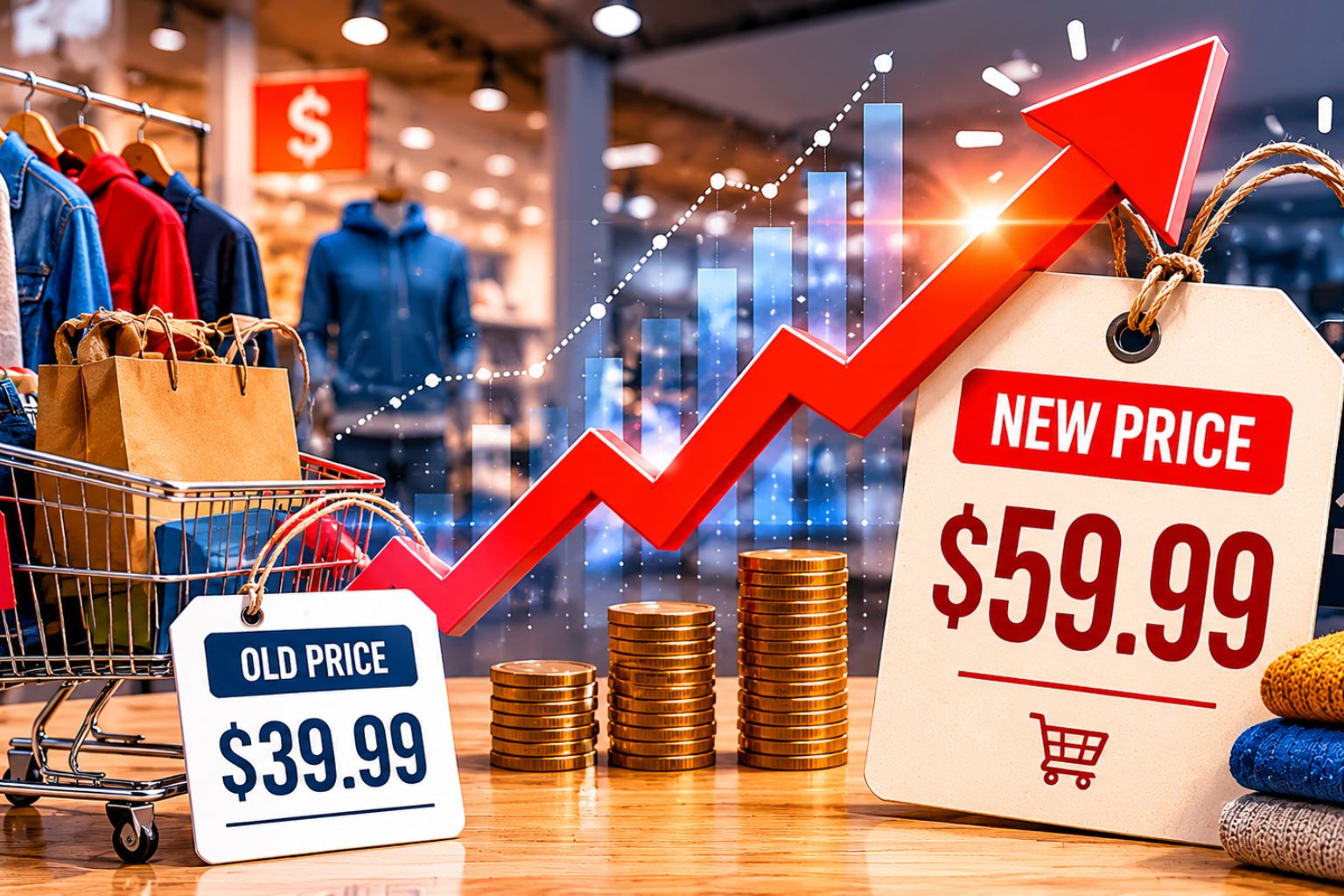
If you have realized that the price tag at the supermarket is high compared to what it was two or three years back, you may be correct since price tags fluctuate frequently for various reasons.
Inflation: Inflation is an economic concept whereby sellers shift the burden of increased goods and services to consumers in form of prices.
Problems in the Logistics Chain: The price level will be higher if there is any problem with the logistics chain of goods, such as the problem of delay in delivering the products, scarcity of the raw material, and worldwide events.
Seasonal Goods: Some specific commodities tend to witness price increase at certain times. Winter clothing, holiday season goods, and back-to-school goods, for instance, will definitely see a price increase depending on seasons.
Competition in Market: If there is competition because new producers emerge in the market offering similar goods, then the producer already operating in the market might lower the prices to attract customers.
Location: Depending on where you live in the US, prices may differ from those in other parts of the nation. Prices are relatively high in urban areas and somewhat lower in rural locations.
Retail Price vs Other Price Types — What Is the Difference?
Retail price is just one part of a bigger pricing system. Here is how it compares to other common price types:
Retail Price Versus Wholesale Price: The price of buying products in large amounts from the supplier at a store is called the wholesale price. The price that one pays when purchasing an item individually is called the retail price. The retail price will always be higher than the wholesale price.
Retail Price Versus Sale Price: The sale price is a temporary reduction in the retail price. This is done to attract customers or get rid of items. After the sale period is over, the prices will revert to their normal retail prices.
Retail Price Versus Market Price: While market prices change depending on the current demand and supply situation, the retail price remains constant and depends on the seller. These two can be the same sometimes, but not all the time.
This knowledge will help you understand exactly what you are paying for.
How Retail Pricing Affects US Shoppers in 2026
The pricing dynamics in retail within the US market have witnessed some changes over recent years. The year 2026 comes with a different pricing landscape when compared to other times in regard to various products.
Prices of groceries in particular are stabilizing following an era of extreme inflation. But, they continue to be above pre-2022 prices for most families.
There are small reductions in electronics in various categories attributed to stiff competition and supply chain improvements.
When it comes to clothing and home goods, there are mixed fortunes regarding prices. While there are discounts in off-seasons, basic prices remain high in most parts of the country.
For American consumers, it is essential to be knowledgeable about current pricing dynamics. Purchasing less important products outside peak seasons or waiting for discounts in off-seasons could save a lot.
Smart Tips to Use Retail Price to Your Advantage
Knowing about pricing can help you save money in the long run. The following are some useful ways in which one can use this information effectively.
Benefits of knowing the retail price for better comparison
Having the knowledge of the retail price of a particular item makes it easy to determine whether there is an actual discount being offered or simply a misleading tactic by retailers. There are times when retailers may inflate the retail price only so that it appears to offer more discounts than there actually is.
The following are some tips that people can use to their advantage:
- Check the original retail price before accepting a sale to be true
- Compare prices of a similar product from at least two or three different retailers
- Use per unit pricing of grocery items to compare actual prices
- Monitor price trends of commonly used products and note any increase or decrease
- Purchase out-of-season products at retail prices that have been reduced due to demand conditions
Conclusion
Shopping is an activity that all Americans engage in on a weekly basis, and retail price plays a central role in every shopping transaction. The minute you learn the meaning of retail price and why it may change from time to time, your perspective on prices will certainly alter forever. This information will put you in an advantageous position when doing your shopping because now you have an understanding of retail price. Whether it is about comparing goods, finding deals, or making a large purchase, this information will give you the upper hand.