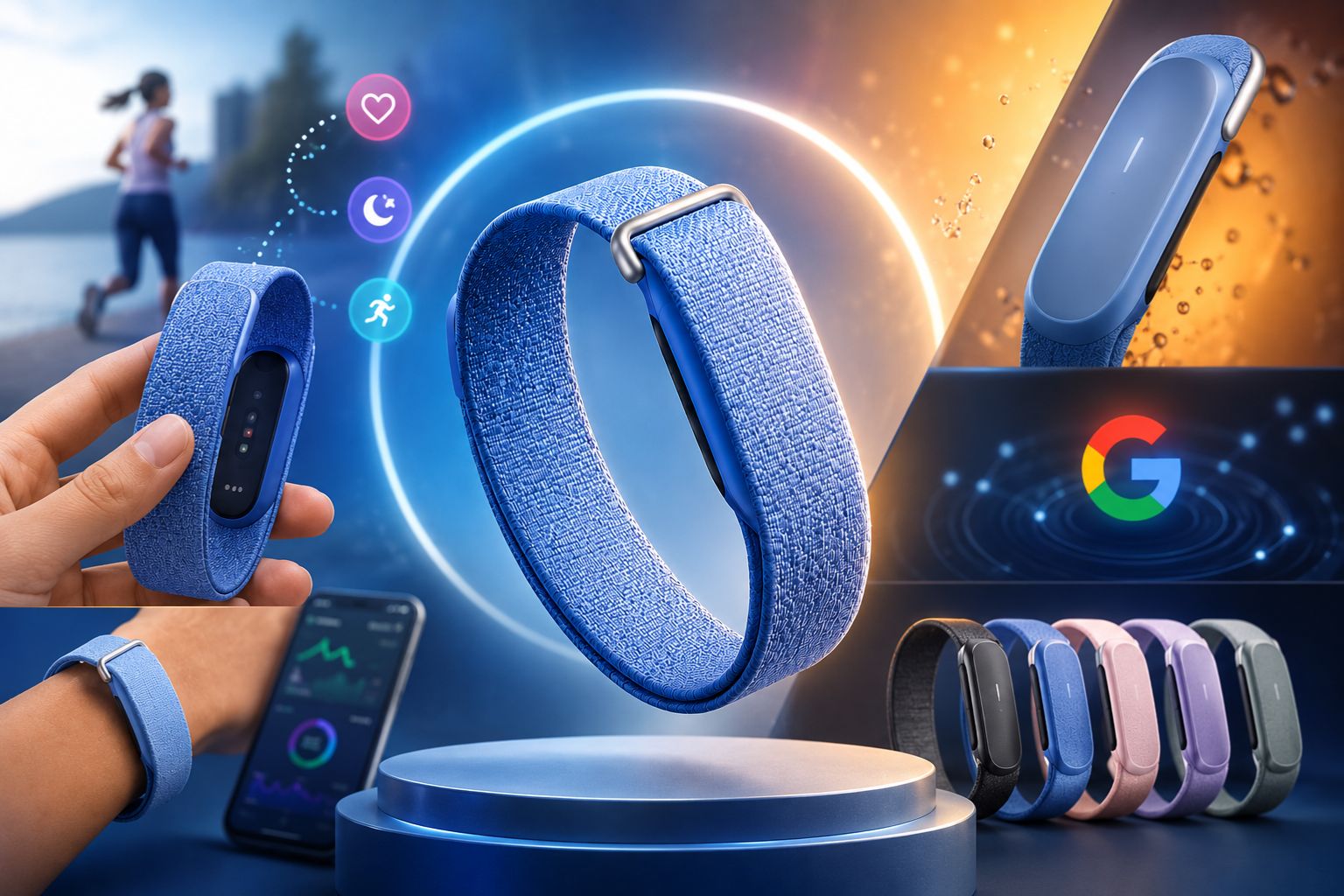
Here comes the next revolution in the form of a fitness tracker, with the entire focus being on Google Fitbit Air. It has no screen whatsoever and costs merely $99.99. The Fitbit Air was introduced to the world on May 26, 2026. The small device goes onto your wrist and records data about your heart rate, sleep cycles, oxygen content, and many other things. All the information collected by this band will be transmitted to an app installed in your smartphone. There are absolutely no notifications, but the gadget simply works in the background for your better health.
What Exactly Is the Google Fitbit Air?
Google Fitbit Air is a screenless smartwatch. This implies that it does not have a screen on its gadget where you can touch, swipe, or see information.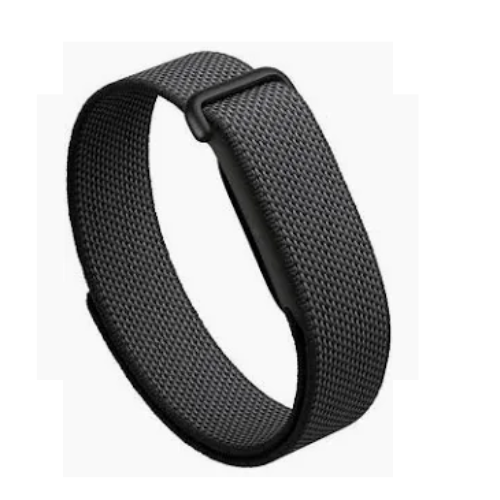 On the contrary, it captures information about your health throughout the day and then transfers the information to your new Google Health app.
It was introduced to the market on May 7, 2026, and made available for shipping on May 26, 2026. The basic model is priced at $99.99, while a limited edition goes for $129.99. The gadgets function with any Android 11 and higher as well as iOS 16.4 and higher.
It is Google’s direct answer to screenless trackers that already exist in the market. The big idea is simple. A lot of people do not want another screen on their wrist. They just want good health data without the distraction.
7 Facts About the Google Fitbit Air You Should Know
It Has No Screen — And That Is Intentional
The Fitbit Air doesn’t have a screen, which is the entire premise of this product. People prefer to buy trackers with no screen now. They want devices that are lightweight and sleek. Sales of screenless wearables have increased by 88% from 2024 to 2025, industry statistics show. The Fitbit Air is right on track. All data will be accessible via the Google Health application, not by viewing information on the device.
It Monitors So Much More Than Just Your Steps
The Google Fitbit Air is not just a basic step counter. It is equipped with features such as monitoring your heart rate, SpO2 (your blood oxygen saturation levels), sleep stage detection, heart rate variability, and atrial fibrillation monitoring. Every single one of these features provides some valuable information. Heart rate variability will show how effectively your body recovers after activity. Low levels of SpO2 indicate possible issues with nighttime breathing. Afib detection is essential for cardiac health.
Battery Lasts a Full 7 Days
Another great thing about having Fitbit Air as your wearable device is its amazing battery life. The watch will work for an entire week after just one charge. Compared with other smartwatches that have to be charged every day, Fitbit Air looks like a more favorable option because it lasts longer. What is even better about it is the quick-charging function, which gives you a full day’s work in just 5 minutes of charge time.
No Forced Monthly Subscription
Many fitness trackers lock key features behind a monthly fee. The Fitbit Air is different. All the core health tracking features work without paying anything extra. You buy the device, and the basics are yours to keep.A premium level for Google health does exist but it is not mandatory, while every Fitbit Air device comes equipped with a free 3-month subscription for Google Health’s Premium plan, which then starts to cost $9.99 per month.
Works on both Android and iPhone
The application supports Android version 11 and higher as well as iOS version 16.4 and higher. Therefore, this software is completely compatible even with iPhones, something that is great news for people who are not using Android smartphones. Moreover, the tracker now utilizes the updated platform, the new Google Health app. This app collects your data and offers you daily insights based on artificial intelligence in layman’s terms.
Built With Recycled Materials
Materials used in making the housing of the Fitbit Air include recycled Polycarbonate and PBT. No plastics are used for the packaging of this product, and hence it is very environmentally friendly, unlike most tracking products. In addition, it is waterproof up to 50 meters; therefore, it is not necessary to take it off while bathing or swimming. The strap for this watch is made from textile material with a stainless steel clasp.
AI Health Coach Is Built In
The Google Health app includes an AI Health Coach that gives you personalized daily tips based on your actual data. It does not just show numbers. It explains what those numbers mean for you and what small changes might help. During the 3-month free trial, you get full access to these insights at no extra cost. This is one of the strongest features of the Fitbit Air and sets it apart from many other trackers at this price point.
5 Alternatives Worth Considering
Fitbit Air is definitely a good choice, although it is far from being the only one on the market. Five more options will serve as your competition in this category. As you can see, all of them differ in price, design, and capabilities. Comparing them to each other will be helpful for making the right choice.
Whoop 5.0
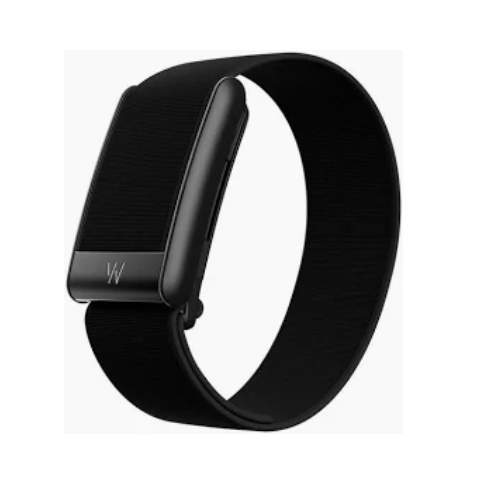
A subscription-based screenless strap with up to a 14-day battery. Captures data 26 times per second. Strong focus on strain, recovery, and sleep coaching. No device cost, but requires a yearly subscription.
From $199/year
Oura Ring 4
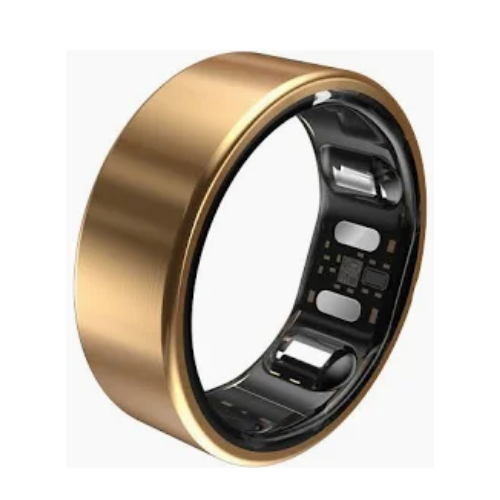
A smart ring that sits on your finger. Known for its sleep tracking accuracy and lightweight titanium design. Requires a monthly subscription for full app access. Battery lasts up to 8 days.
From $349 + $5.99/mo
Samsung Galaxy Ring
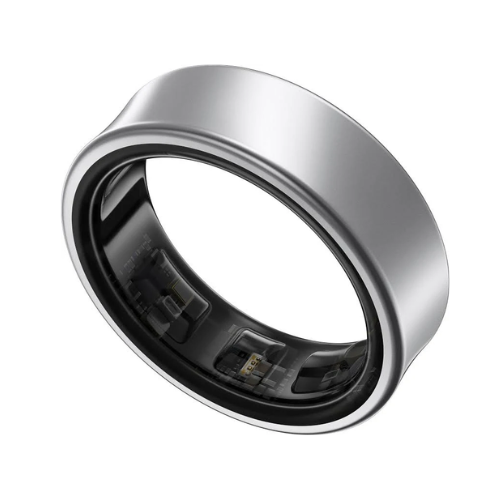
A titanium smart ring with no monthly subscription. Tracks sleep, heart rate, and activity. AI-powered energy score through the health app. Best suited for Android users. The battery lasts around 7 days.
$299.99 (no subscription)
Amazfit Helio Strap
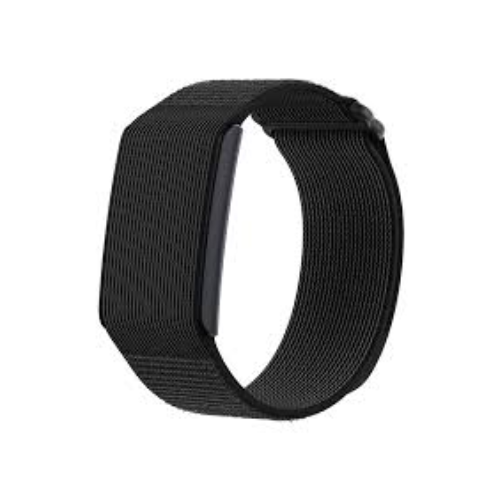
A wrist-based screenless tracker at the same $99.99 price point. Offers 10-day battery life and 24/7 heart rate monitoring. No subscription needed for core features. Lightweight at just 20 grams.
$99.99 (no subscription)
Polar Loop
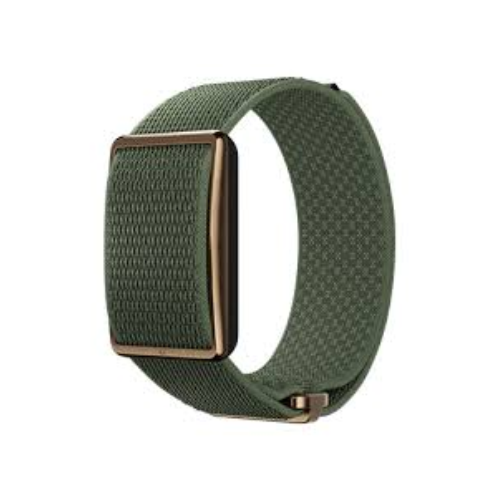
A wrist-based screenless activity tracker from a brand known for accuracy. Focuses on basic activity and recovery. Competes at a lower price point with solid build quality. Good for users who want simple, reliable data without extra features.
~$99 range
Side-by-Side Comparison Table
Here is a quick look at how all six trackers stack up against each other across the features that matter most.
Tracker |
Price |
Screen |
Battery |
Subscription |
Key Feature |
Best For |
| Google Fitbit Air | $99.99 | None | 7 days | Optional ($9.99/mo) | AI Health Coach + Afib alerts | Android & iPhone users |
| Whoop 5.0 | $199–$359/year | None | 14 days | Required | Recovery & strain coaching | Serious athletes |
| Oura Ring 4 | From $349 | None | Up to 8 days | Required ($5.99/mo) | Sleep accuracy + ring form | Sleep-focused users |
| Samsung Galaxy Ring | $299.99 | None | 7 days | None | AI energy score, no fees | Android users |
| Amazfit Helio Strap | $99.99 | None | 10 days | None (optional extras) | Long battery, lightweight | Budget-conscious users |
| Polar Loop | ~$99 | None | ~7 days | None | Solid build, basic tracking | Everyday fitness users |
Final Thoughts
The fitness tracker space has changed. People want health data without the distraction of yet another screen. That is exactly the gap this new device fills. The Google Fitbit Air offers a strong set of features at an accessible price, and it works on both Android and iPhone, which makes it open to a wider group of users and also have Ai integrated in it.
But if all that matters to you is an activity tracker without any recurring expenses, then either the Amazfit Helio Strap or the Samsung Galaxy Ring should be considered. And if you have aspirations related to improving your athletic skills, a paid solution will work better for you. However, for all those everyday users interested in acquiring a screenless but reliable fitness device, Google Fitbit Air might just be the thing.
But whatever you decide on, the most crucial thing would be to pick a wristband you will actually wear on a regular basis. This will help you to collect sufficient data during days and weeks.